
Essential Oil Card · French Rosemary
French Rosemary
Salvia rosmarinus Spenn.Clear herbal notes, needle-leaf green, and a dry woody finish
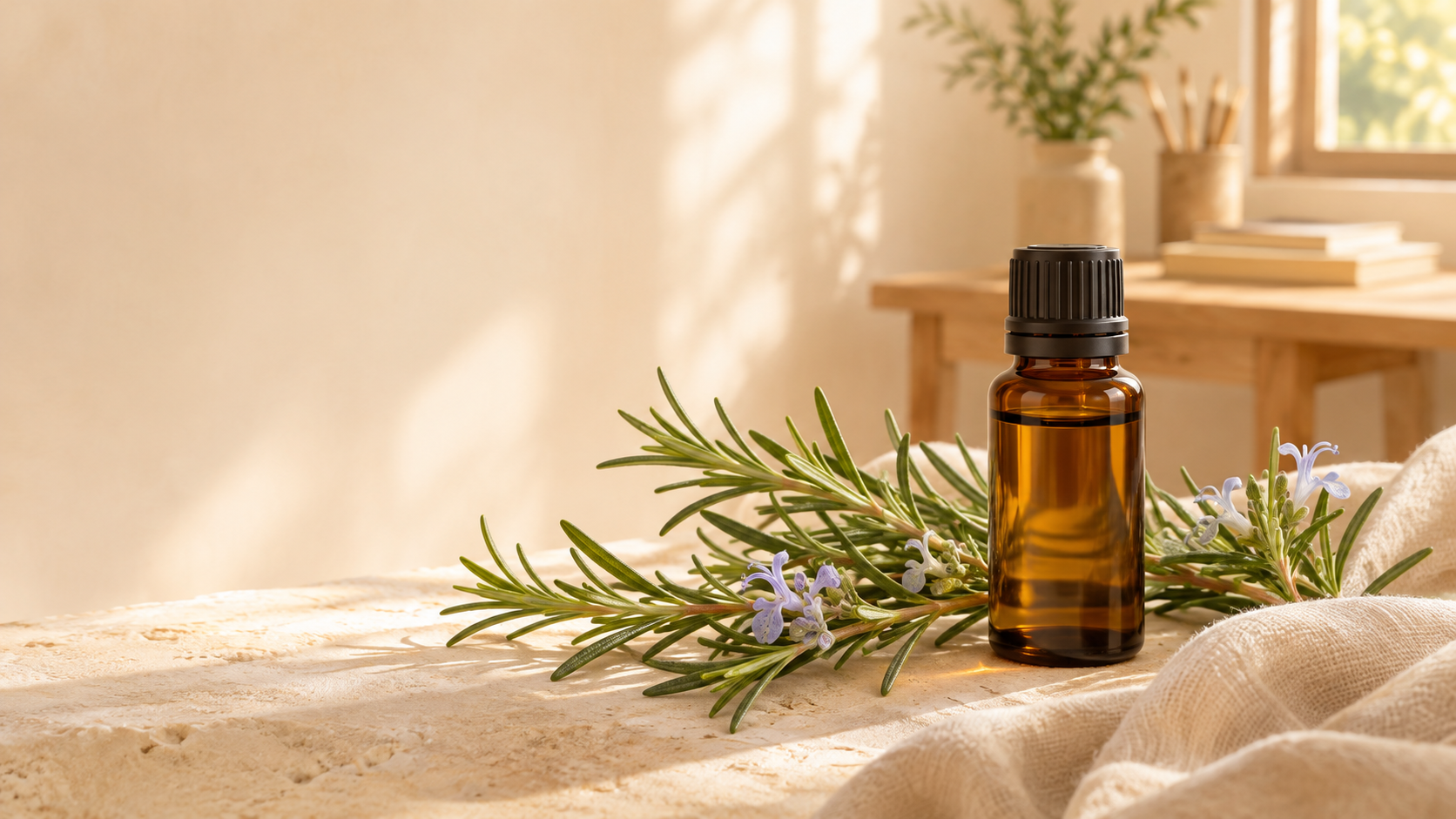
French Rosemary offers a clear herbal scent direction for morning starts, preparing a workspace, and moments before reading or notes.
Scent Profile
What does it feel like?
The overall impression is clear and herbaceous, with fresh needle-leaf green and a lightly dry woody finish. These directions describe aroma, not efficacy.
Clear Herbal
A crisp, clean herbal opening gives the scent a defined first impression.
Needle-Leaf Green
The middle recalls freshly handled rosemary leaves with a cool green edge.
Dry Woody
A quiet woody finish adds structure without feeling heavy.
Best Moments
Where can French Rosemary fit into the day?
Ventilate and complete a small reset first. Then decide whether French Rosemary fits as a clear scent cue for starting work, reading, or an afternoon desk reset.
 01
Opening a window
Let natural light enter the room before deciding whether to add scent.
02Before starting work
Clear the desk and make room for one focused first task.
 03
Before reading and notes
Set out the book and notebook, then reduce visual distractions.
04An afternoon desk reset
Put away a few objects before adding a clear herbal scent direction.
How to Use
Choose the format by setting
Format answers where and how you plan to use scent. It is not a ranking of strength. Ingredients, concentration, intended use, and amount always come from the finished-product label.
 01
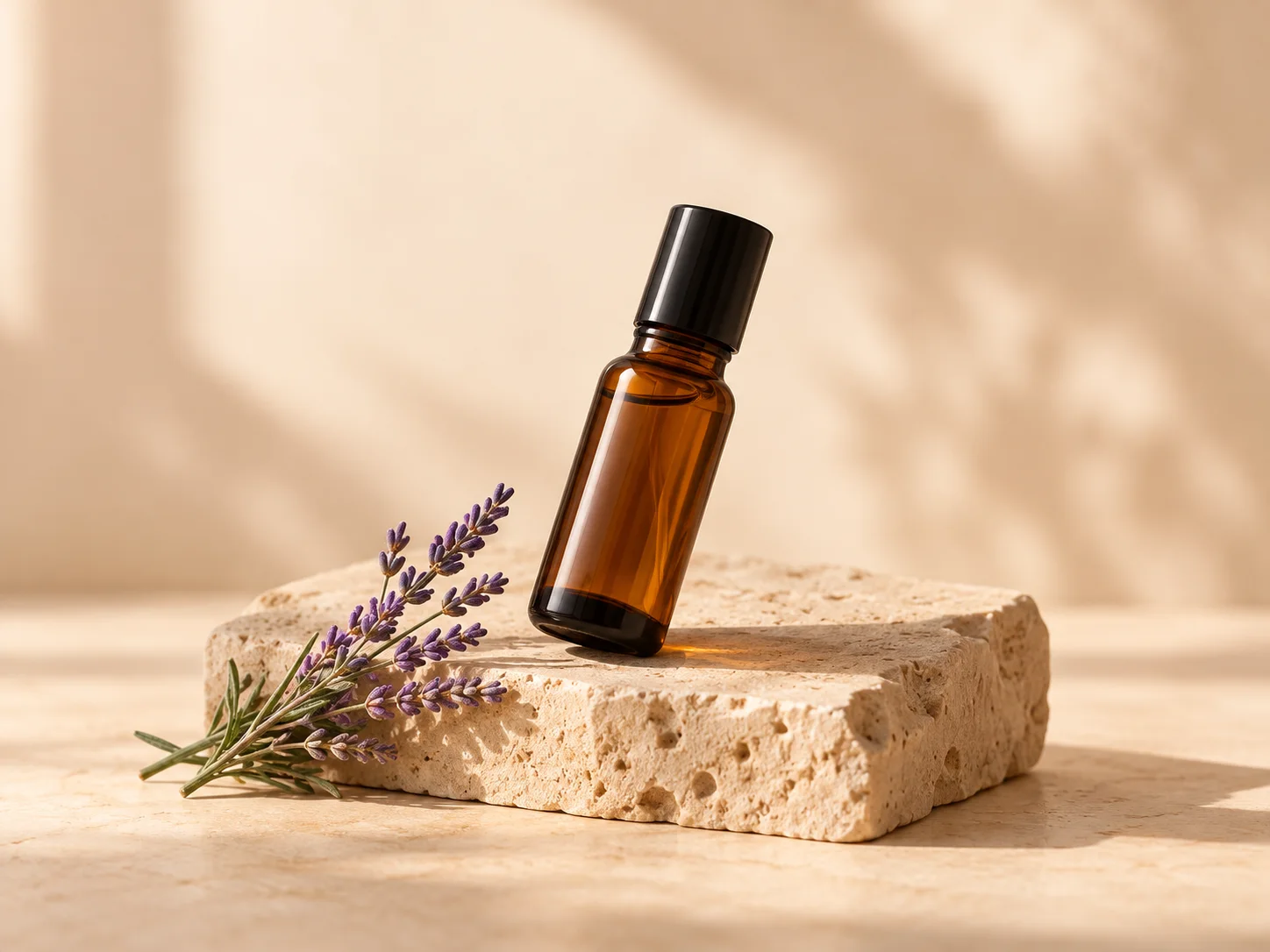
Roll-On
For portable, brief transitions; follow the label for placement and frequency.
 02
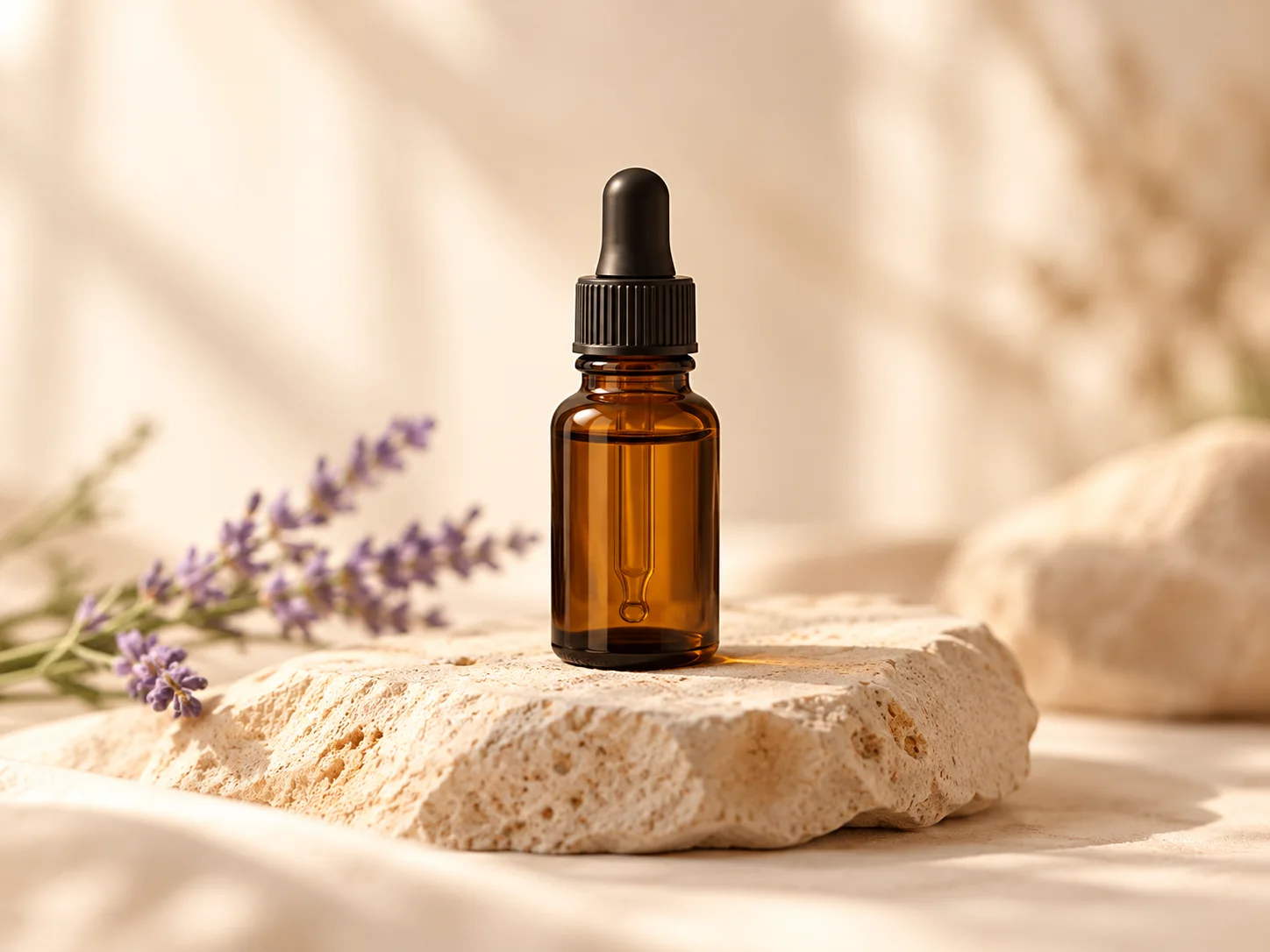
Essential Oil / Dropper
For labeled uses only; never infer a skin-use amount from a general plant article.
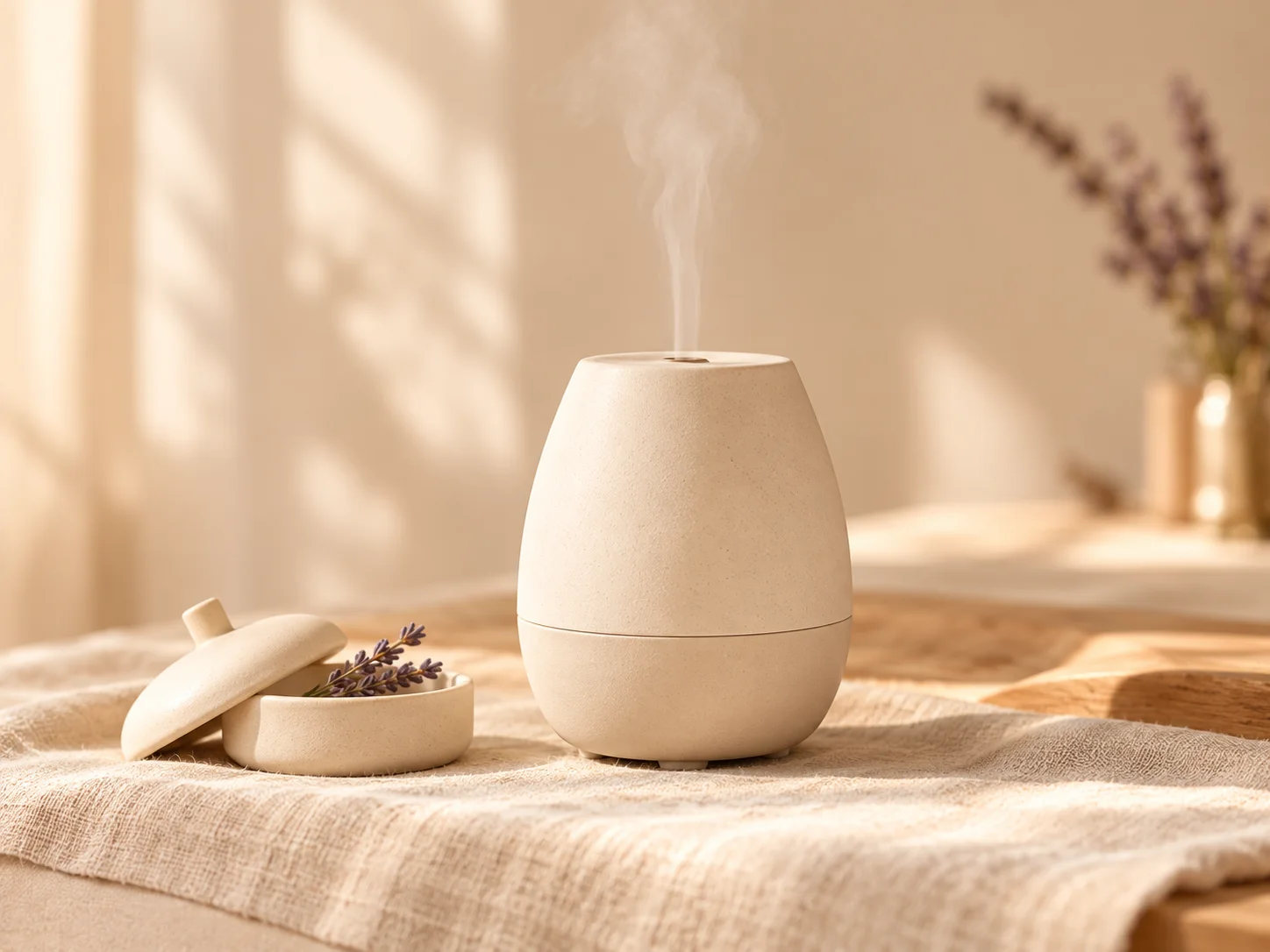 03
Diffuser / Home Aroma
For room scent; check the device, ventilation, shared space, and product directions.
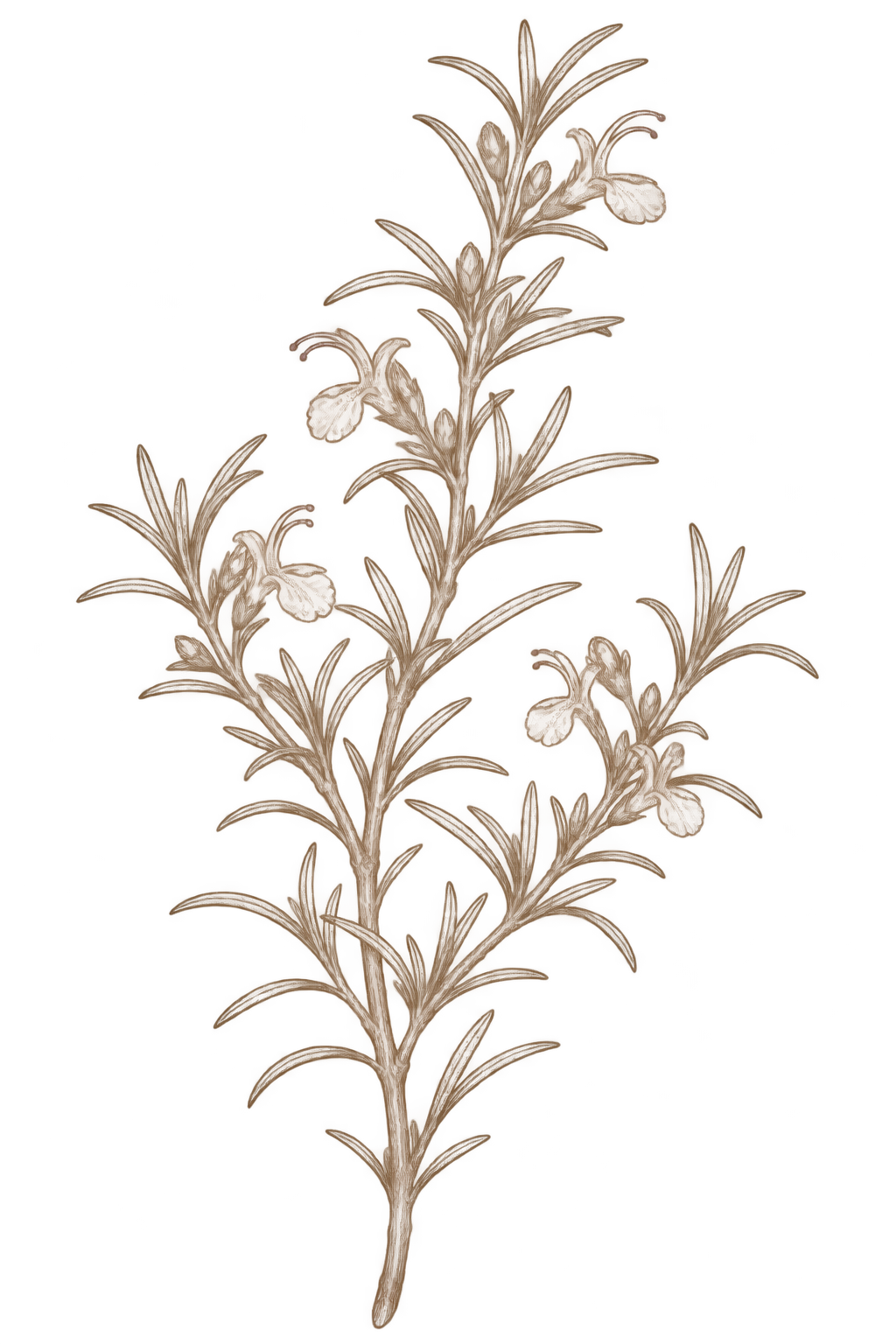
Botanical Identity · Plant Identity
What plant is French Rosemary?
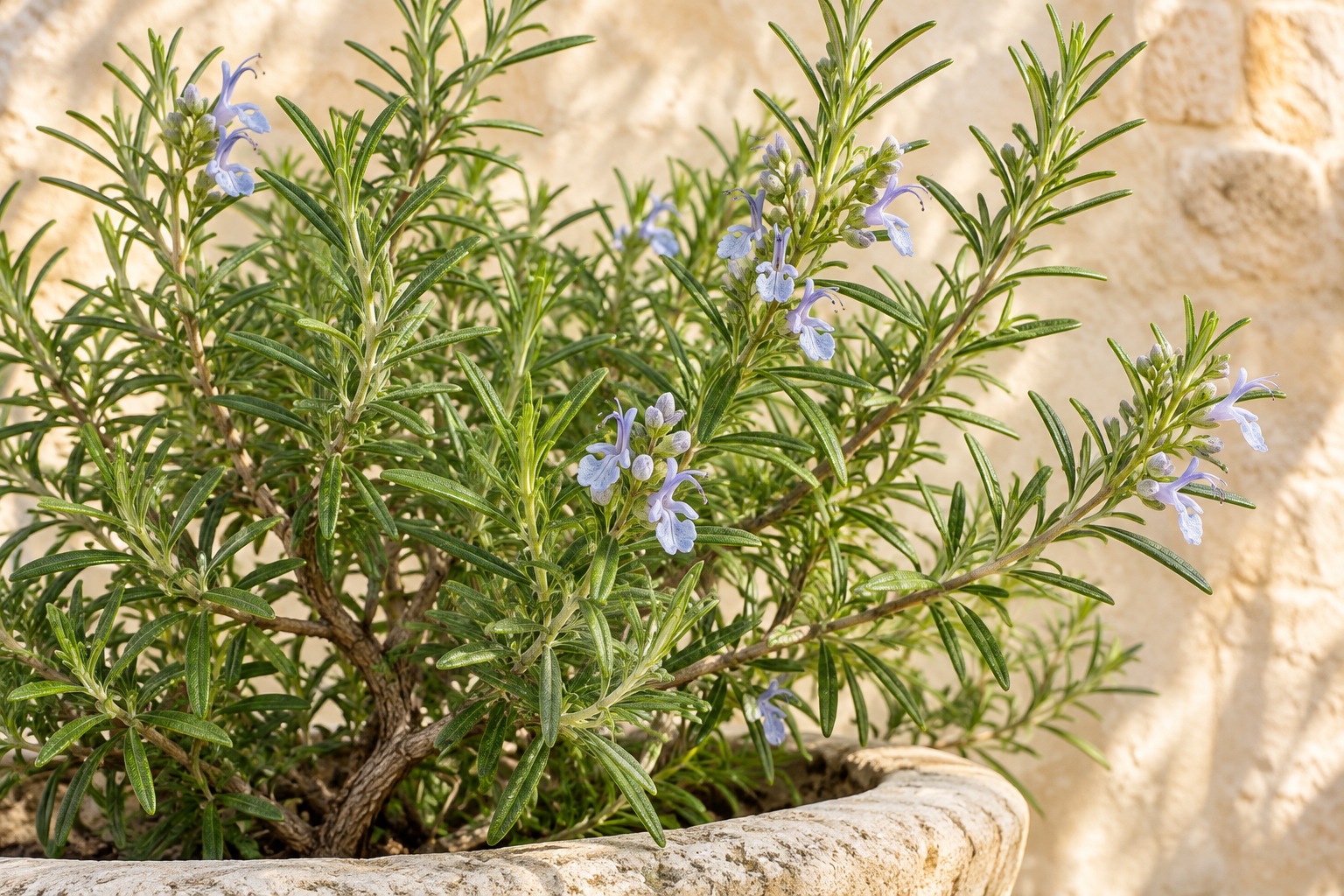
French Rosemary (Salvia rosmarinus Spenn.) is an evergreen woody shrub in the Lamiaceae family, with narrow needle-like leaves and pale blue two-lipped flowers. The older name Rosmarinus officinalis remains common in essential-oil and research material; this page uses the Kew-accepted name while retaining the familiar market name. A French origin or product name does not by itself identify a chemotype, so finished-product information remains the reference.
Mini Ritual · 3 minutes
Take three minutes to create a clear work-start transition
Open the window. Let natural light and moving air mark the transition.
Clear one surface. Put away a few objects and make room for the first task.
Follow the label. Choose an appropriate roll-on, personal aroma, or room-scent format.
Related Journal
Continue from French Rosemary into practical everyday scent guidance
Explore a beginner guide, everyday rituals, and product formats before deciding whether to view official product information.
Beginner guideHow to Start Using Essential Oils
Begin with product directions, format, and safe-use boundaries before choosing a scent.
Read the beginner guide →Everyday ritualWhy Do Everyday Rituals Matter?
Use one short, repeatable action to create a clearer transition in the day.
Explore everyday scent rituals →Product formatsRoll-On vs Essential Oil
Choose by context, finished-product design, and label directions.
Compare product formats →Safe Use
Keep the safety rules short and clear
This page provides a general decision framework. It does not replace a product label or professional medical advice.
- Follow the intended use, amount, and warnings on the product label.
- Do not ingest essential oils.
- Do not apply undiluted essential oils directly to skin.
- For pregnancy, children, pets, and fragrance sensitivities, review the finished-product label and seek appropriate professional advice before use.
Sources & Last Updated
Updated November 13, 2026. Content review: botanical identity, plant part and extraction, constituent variation, non-medical claims, and finished-label boundaries.