
Essential Oil Card · Himalayan Cedarwood
Himalayan Cedarwood
Cedrus deodara (Roxb. ex D.Don) G.DonWarm wood, dry resin, and a restrained smoky finish
Himalayan Cedarwood offers a warm, grounded woody direction for an evening reset, quiet reading, and preparing to rest.

Scent Profile
What does it feel like?
The overall impression is warm and grounded, with dry wood, resinous depth, and a restrained smoky finish. These directions describe aroma, not efficacy.
Warm Woody
A clean, warm wood opening creates a grounded first impression.
Dry Resinous
The middle carries dry resin and freshly cut wood texture.
Soft Smoky
A restrained smoky and earthy finish adds warmth.
Best Moments
Where can Himalayan Cedarwood fit into the day?
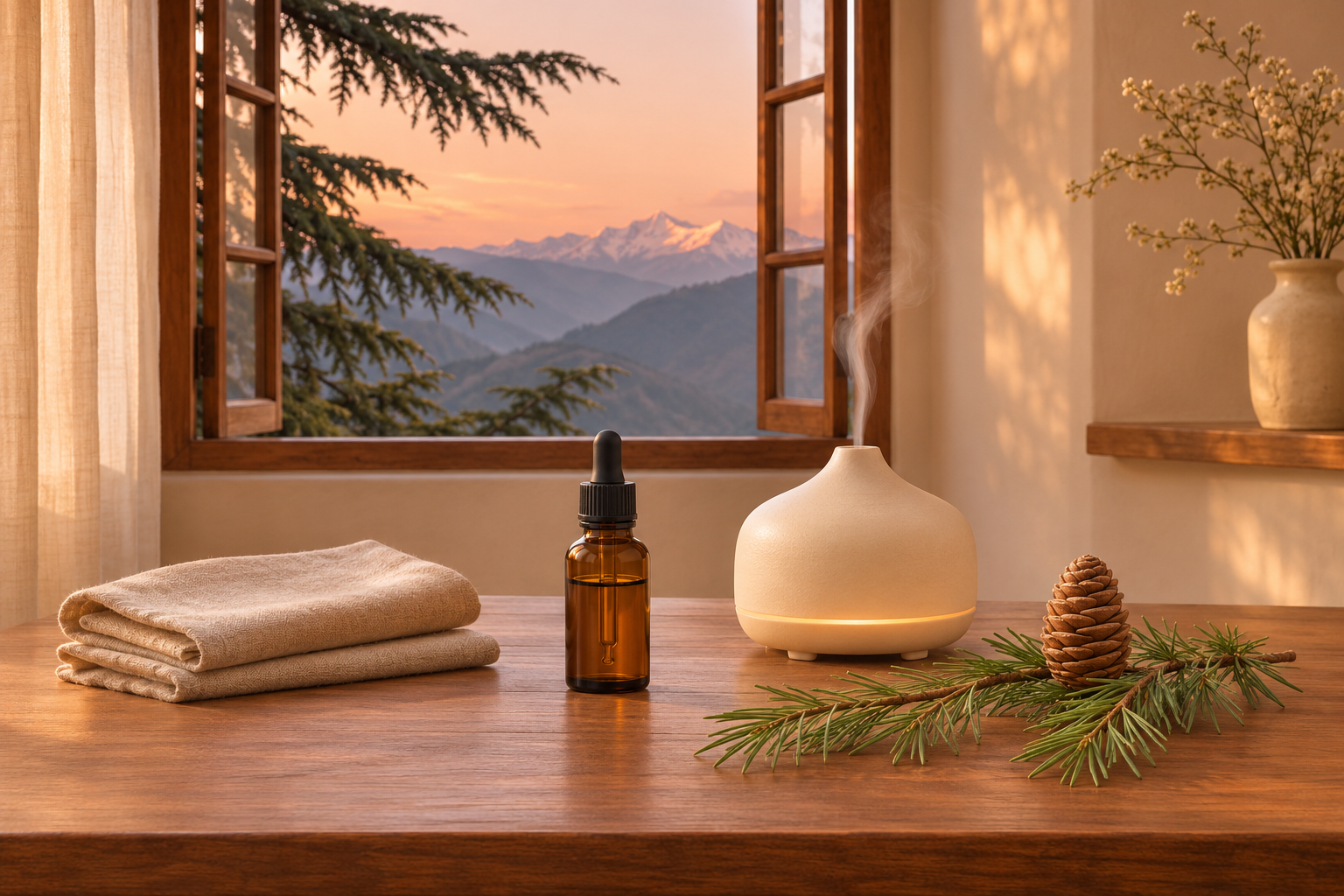
Ventilate and complete a small reset first. Then decide whether Himalayan Cedarwood fits an evening reset, quiet reading, or preparing to rest.
 01
An evening reset
Ventilate and clear one surface before deciding whether to add scent.
02During quiet reading
Set out a book and cup, then reduce visual distractions.
 03
After tidying the entryway
Put away carried items and return the entrance to a simple state.
04Before preparing to rest
Lower light and sound, then confirm scent suits the shared space.
How to Use
Choose the format by setting
Format answers where and how you plan to use scent. It is not a ranking of strength. Ingredients, concentration, intended use, and amount always come from the finished-product label.
 01
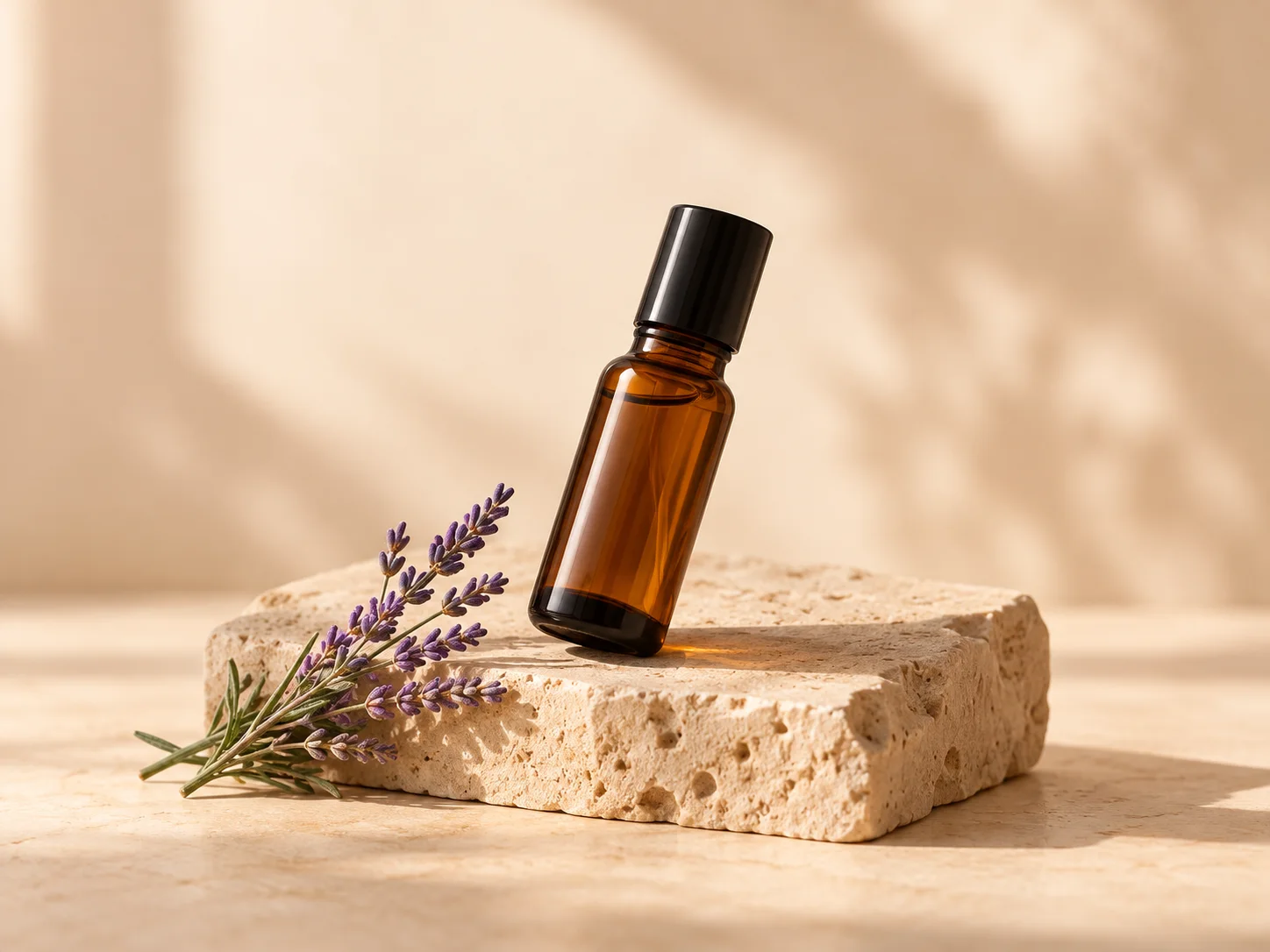
Roll-On
For portable, brief transitions; follow the label for placement and frequency.
 02
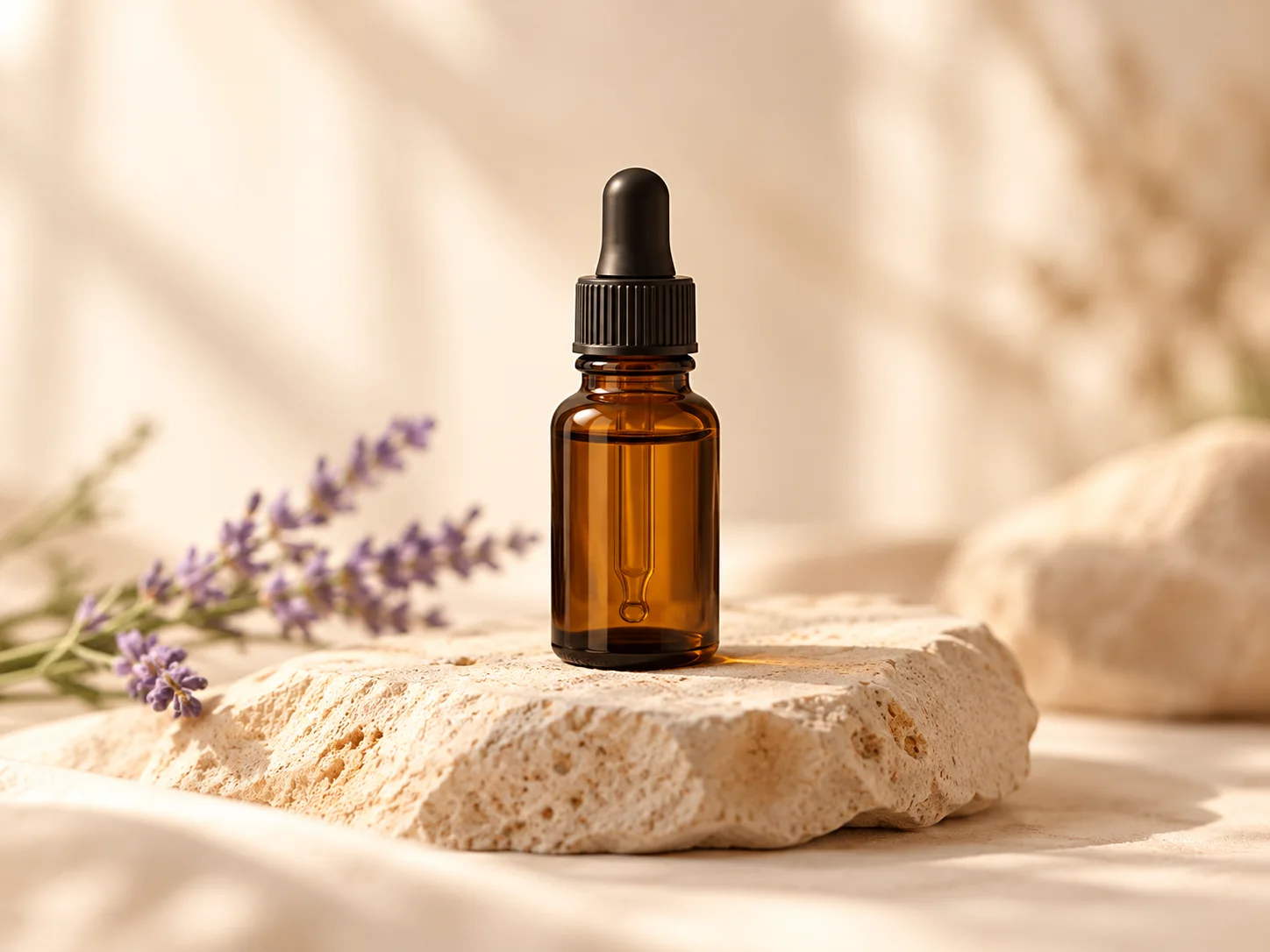
Essential Oil / Dropper
For labeled uses only; never infer a skin-use amount from a general plant article.
 03
Diffuser / Home Aroma
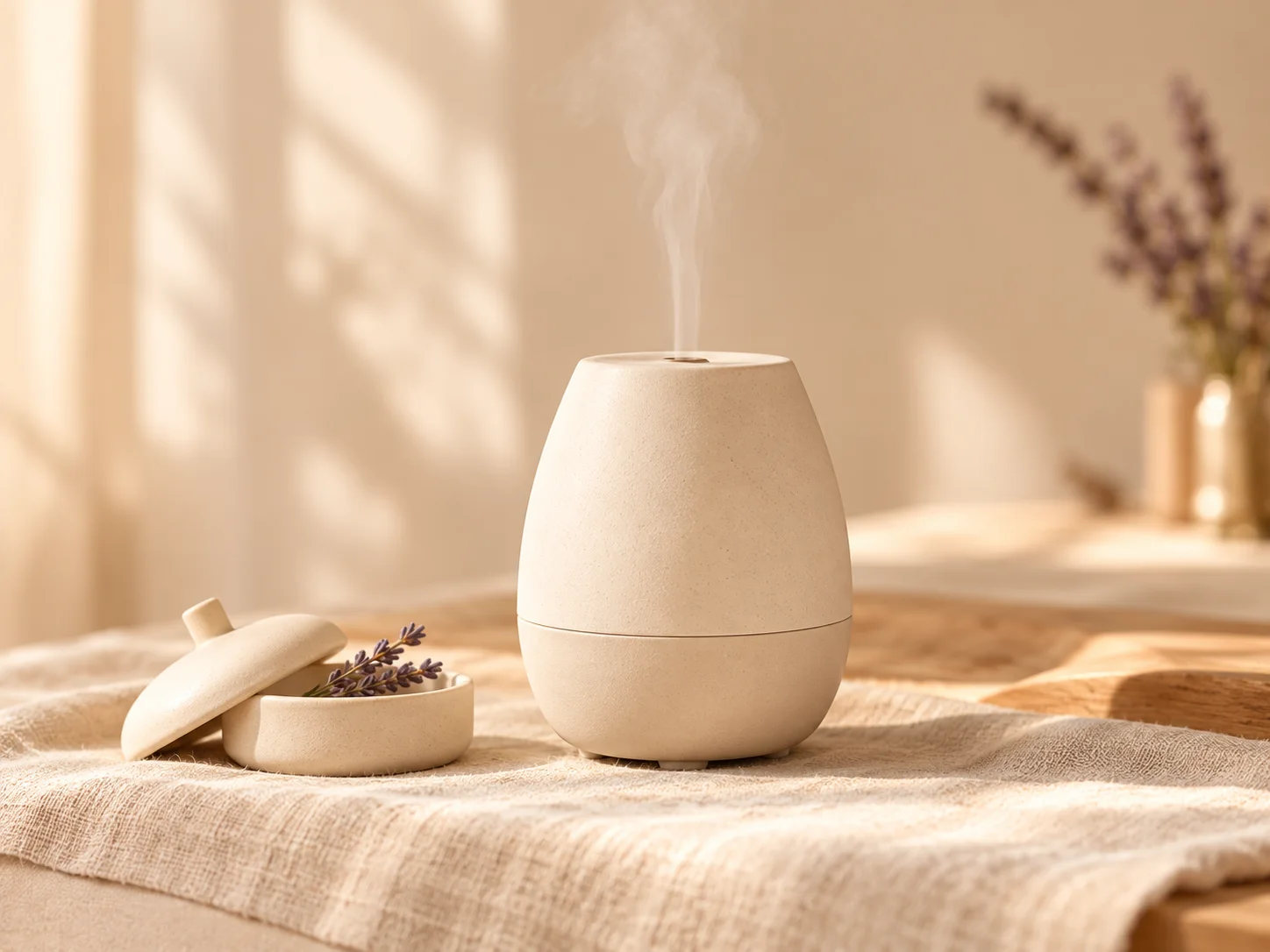
For room scent; check the device, ventilation, shared space, and product directions.
Botanical Identity · Plant Identity
What plant is Himalayan Cedarwood?
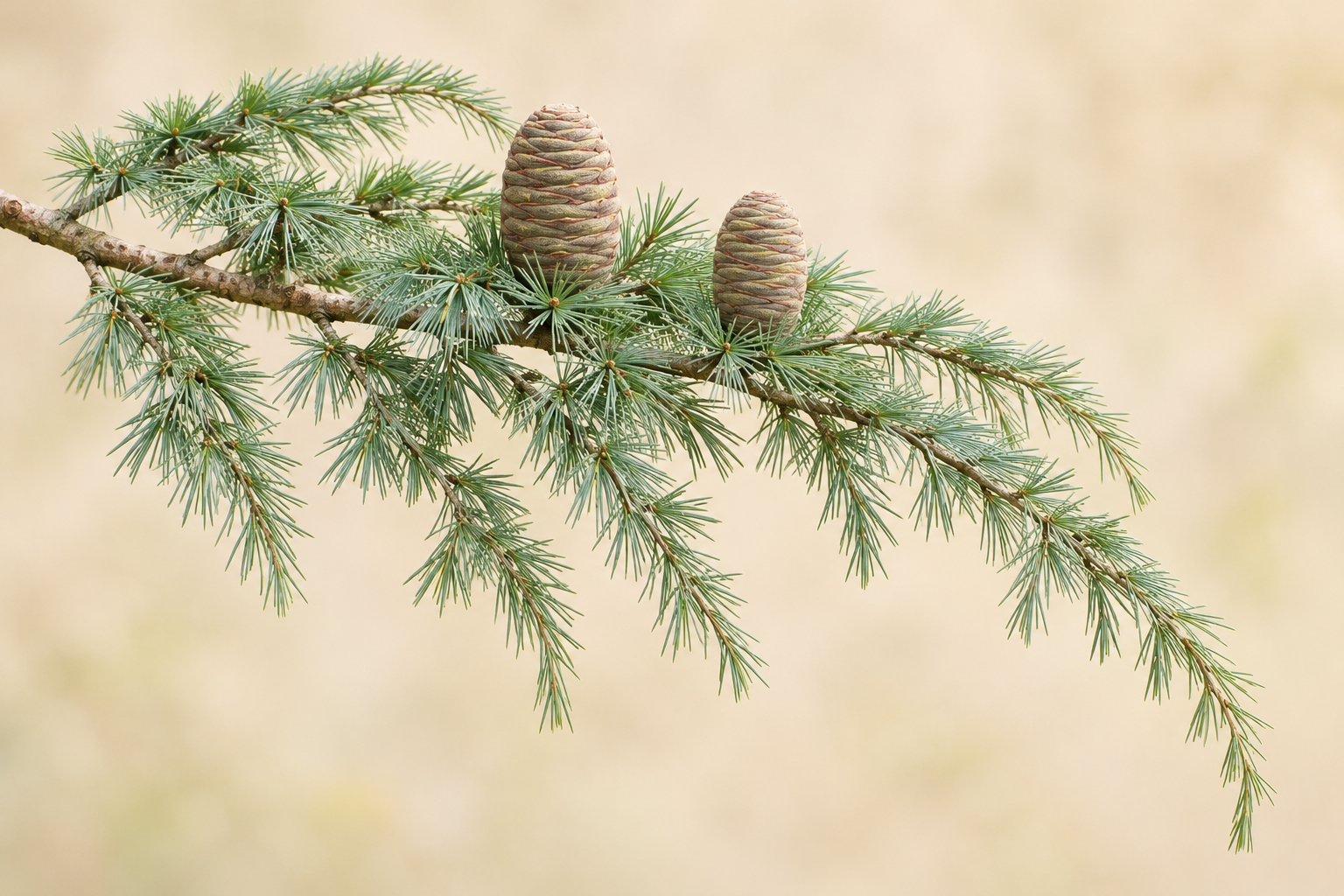
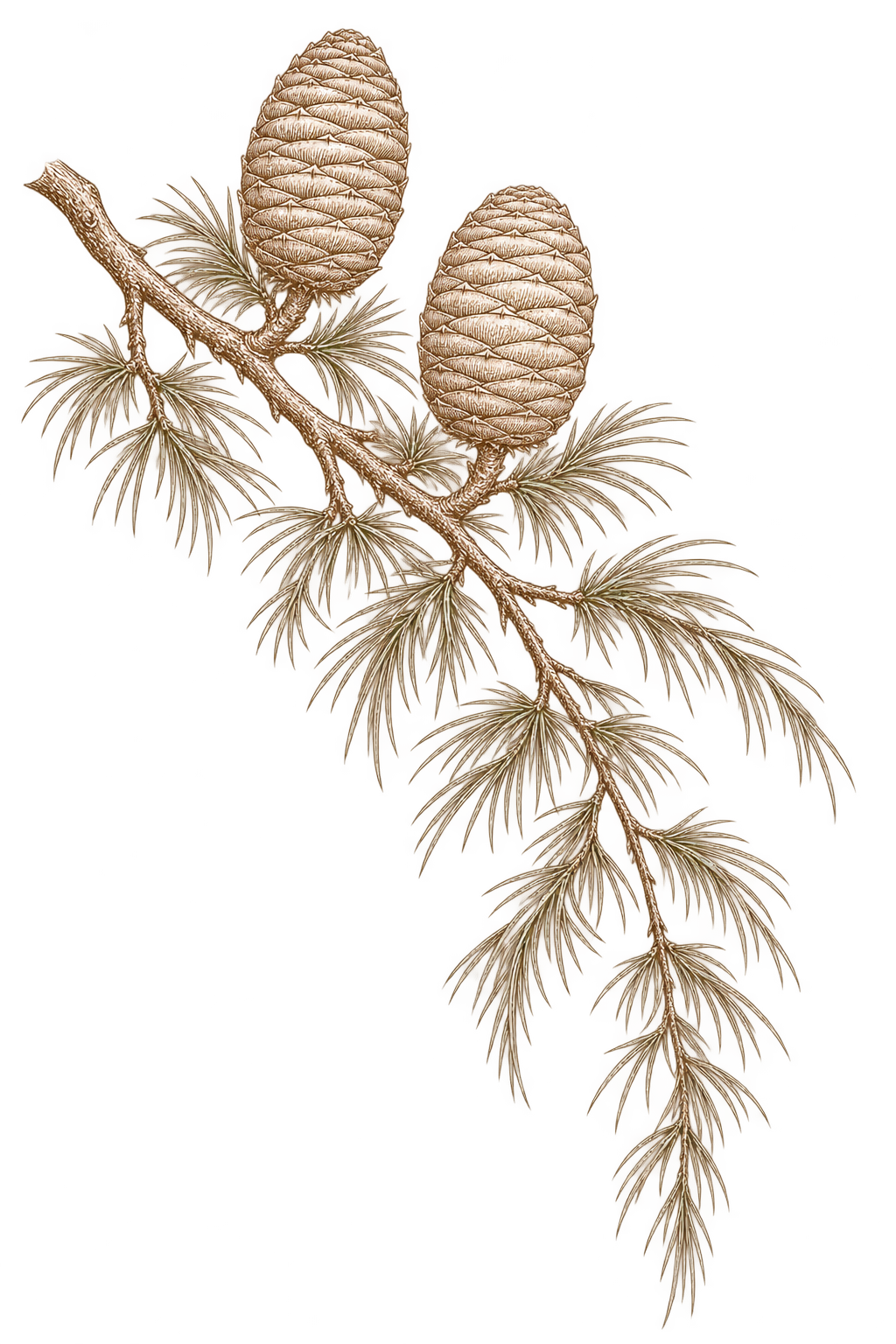
Himalayan cedarwood is an evergreen conifer in the Pinaceae family, with drooping branch tips, clustered needles, and upright cones. Kew accepts Cedrus deodara and records its native range from northeastern Afghanistan to western Nepal and northwestern India. This page organizes decision information for the finished product labeled Himalayan Cedarwood Essential Oil; plant part, extraction, and use directions remain subject to the official product label.
Mini Ritual · 3 minutes
Take three minutes to create a grounded evening transition
Ventilate first. Let air move before deciding whether scent belongs in the transition.
Clear one area. Tidy a desk or entryway until the view feels simple.
Follow the label. Choose an appropriate roll-on, personal aroma, or room-scent format.
Related Journal
Continue from Himalayan Cedarwood into practical everyday scent guidance
Explore a beginner guide, everyday rituals, and product formats before deciding whether to view official product information.
Beginner guideHow to Start Using Essential Oils
Begin with product directions, format, and safe-use boundaries before choosing a scent.
Read the beginner guide →Everyday ritualWhy Do Everyday Rituals Matter?
Use one short, repeatable action to create a clearer transition in the day.
Explore everyday scent rituals →Product formatsRoll-On vs Essential Oil
Choose by context, finished-product design, and label directions.
Compare product formats →Safe Use
Keep the safety rules short and clear
This page provides a general decision framework. It does not replace a product label or professional medical advice.
- Follow the intended use, amount, and warnings on the product label.
- Do not ingest essential oils.
- Do not apply undiluted essential oils directly to skin.
- For pregnancy, children, pets, and fragrance sensitivities, review the finished-product label and seek appropriate professional advice before use.
Sources & Last Updated
Updated November 19, 2026. Content review: botanical identity, plant part and extraction, constituent variation, non-medical claims, and finished-label boundaries.